
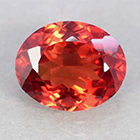
Excerpt: Discover why padparadscha sapphires are the most sought-after and expensive sapphires in the world. Learn about their unique color, extreme rarity, and why collectors pay premium prices.
Full Article:
If you’ve never heard of padparadscha sapphires, you’re not alone. These extremely rare gems are among the most valuable colored gemstones in the world—and almost exclusively found in Sri Lanka.
What is Padparadscha?
The name comes from the Sinhalese word “padmaraga,” meaning lotus flower. It describes the stone’s unique color—a delicate blend of pink and orange reminiscent of a tropical sunset.
The Color
The defining characteristic is the perfect balance:
- Not too pink
- Not too orange
- A harmonious blend of both
- Often described as “salmon” or “peachy-pink”
This precise color balance is incredibly rare.
Why So Rare?
Geographic Limitation: Padparadscha sapphires are found almost exclusively in Sri Lanka, with occasional discoveries in Madagascar and Tanzania. But purists insist only Ceylon padparadschas deserve the name.
Color Requirements: Out of thousands of sapphires, only a tiny percentage display the exact pink-orange balance to qualify as padparadscha. Stones too pink are “pink sapphires.” Too orange becomes “orange sapphires.”
The Result: True padparadscha represents less than 1% of all sapphires mined.
Value and Pricing
Price Range:
- Small stones (under 1ct): $1,500-$5,000 per carat
- Medium stones (1-3ct): $5,000-$15,000 per carat
- Large stones (3ct+): $15,000-$30,000+ per carat
- Exceptional examples: $50,000+ per carat
What Affects Price:
- Color perfection (the ideal pink-orange balance)
- Clarity (eye-clean commands premium)
- Size (larger stones exponentially rarer)
- Treatment (unheated stones worth 2-3x more)
- Cut quality
- Origin (Ceylon certified)
How to Identify Genuine Padparadscha
Certification is Essential: Reputable labs (GIA, GRS, Gubelin) will specifically identify a stone as “Padparadscha Sapphire” if it meets criteria.
Beware:
- Heat-treated stones to create the color
- Diffusion treatments
- Stones called “padparadscha” that are too pink or too orange
- Synthetic padparadscha (lab-created)
Always insist on: ✓ Certificate from major lab ✓ Natural origin statement ✓ Treatment disclosure ✓ Ceylon origin verification
Famous Padparadscha Sapphires
While less publicized than blue sapphires, padparadscha has appeared in:
- High-end auction houses (Christie’s, Sotheby’s)
- Celebrity engagement rings
- Royal jewelry collections
- Museum exhibitions
Investment Potential
Padparadscha sapphires are exceptional investments:
- Extreme rarity ensures demand
- Limited supply from Sri Lanka
- Growing collector interest
- Prices have steadily increased
- Alternative to pink diamonds at lower cost
Styling Padparadscha
These sunset-hued gems are perfect for:
- Unique engagement rings
- Statement cocktail rings
- Elegant pendants
- Collector centerpieces
Settings: Rose gold complements the peachy tones, while white gold provides modern contrast. Even sterling silver can showcase padparadscha beautifully at an accessible price point.
Is Padparadscha Right for You?
Consider padparadscha if you:
- Want something truly unique
- Appreciate rarity and exclusivity
- Love warm, romantic colors
- Seek investment-quality gemstones
- Desire a Ceylon treasure
Final Thoughts
Padparadscha sapphires represent the pinnacle of Ceylon’s gemological heritage. They combine extreme rarity, unique beauty, and significant value—making them treasures for serious collectors and romantics alike.
At Ceylon Gem Vault, we occasionally source exceptional padparadscha sapphires directly from Dambulla’s mines. Contact us to discuss availability.